Product Overview
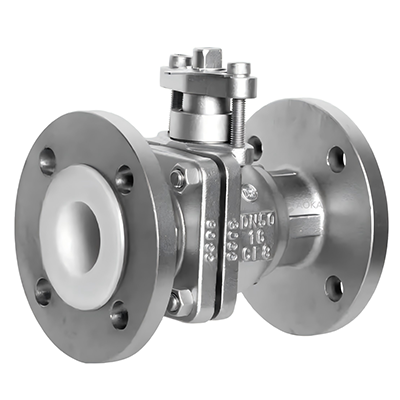
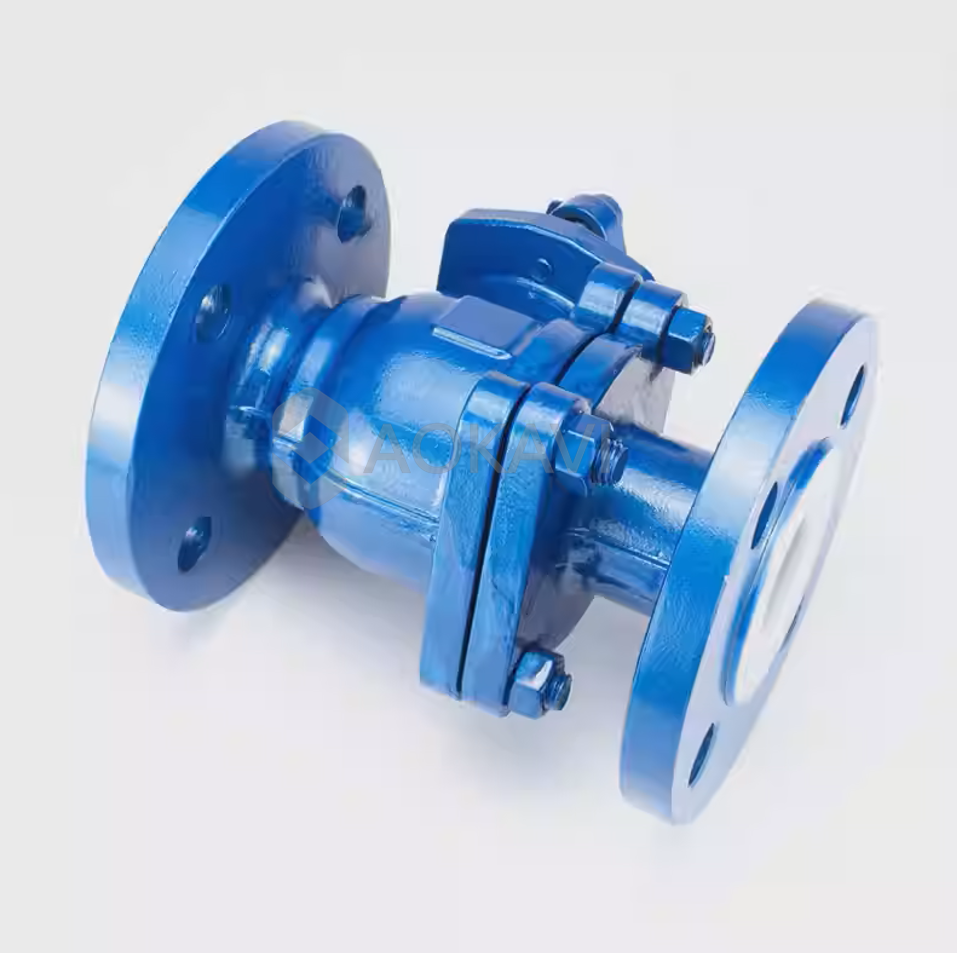
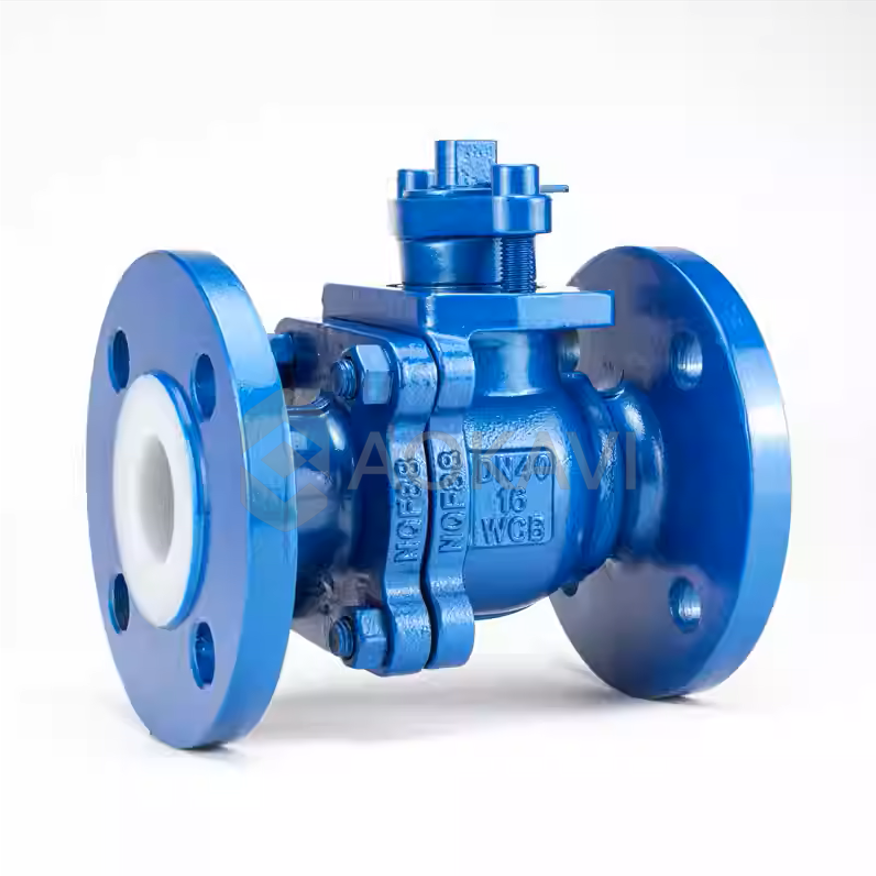
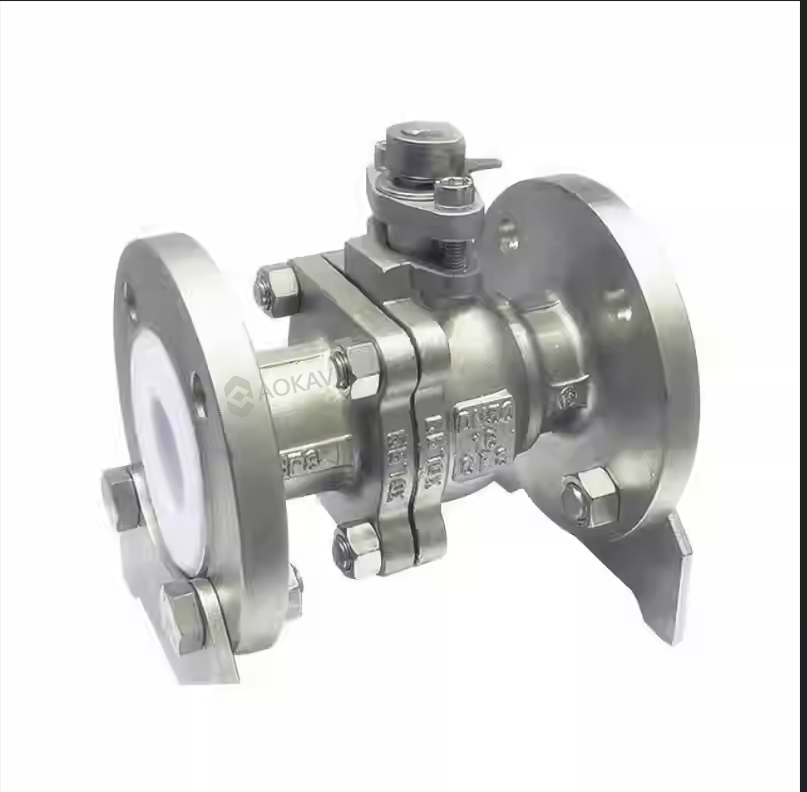
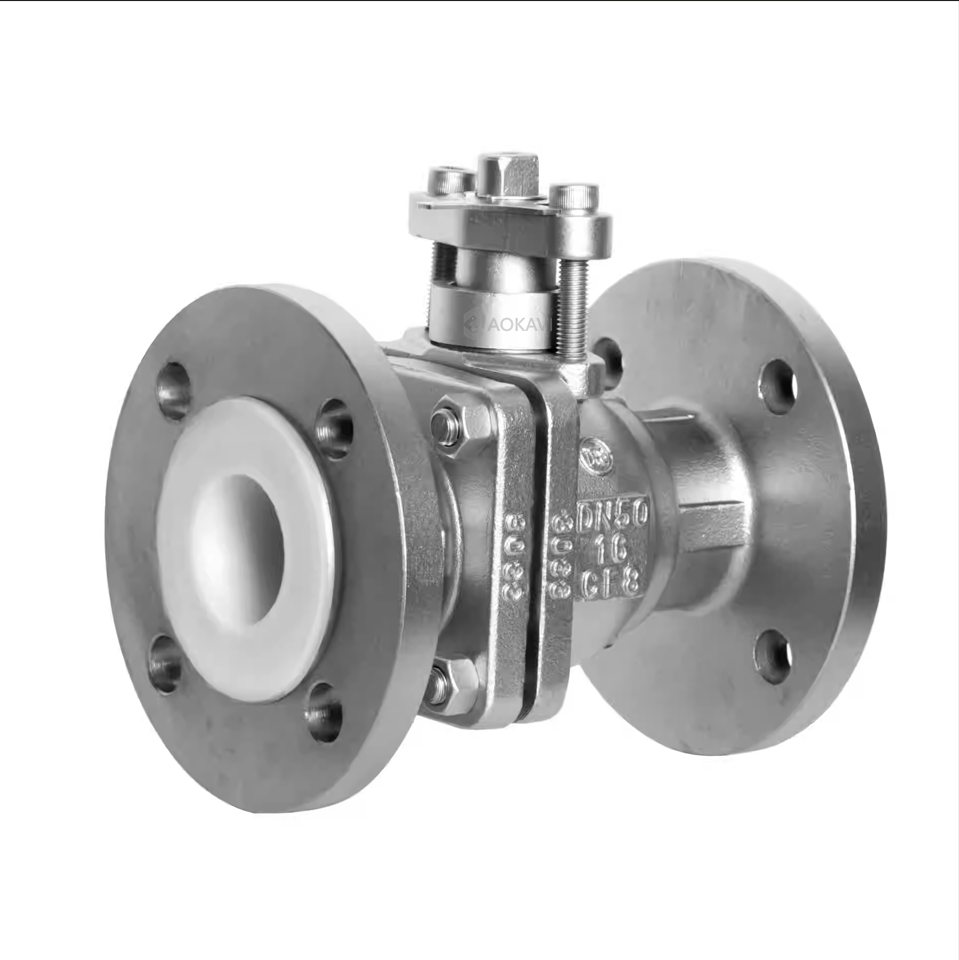
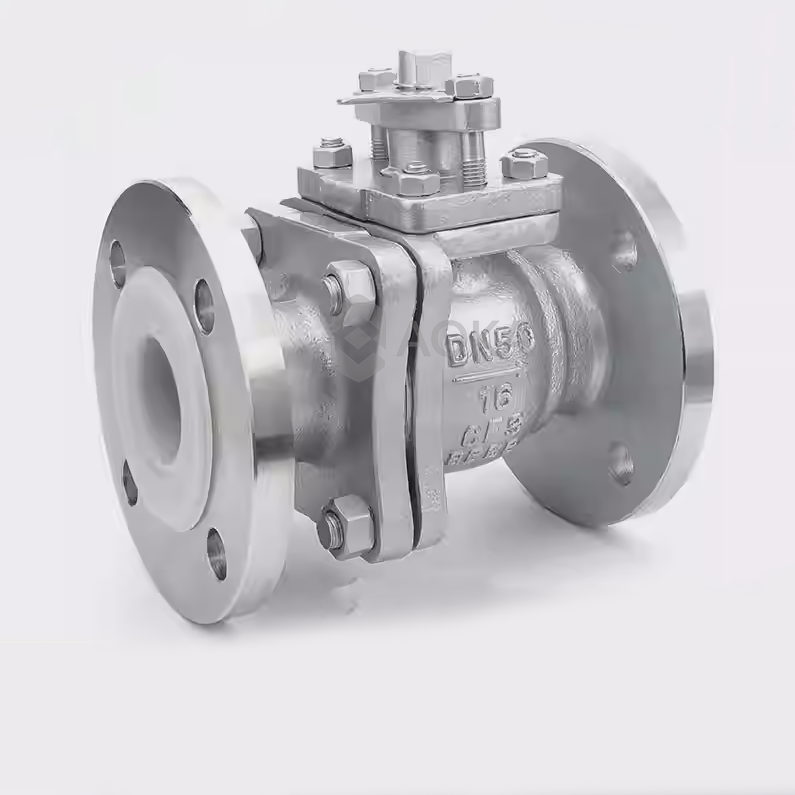
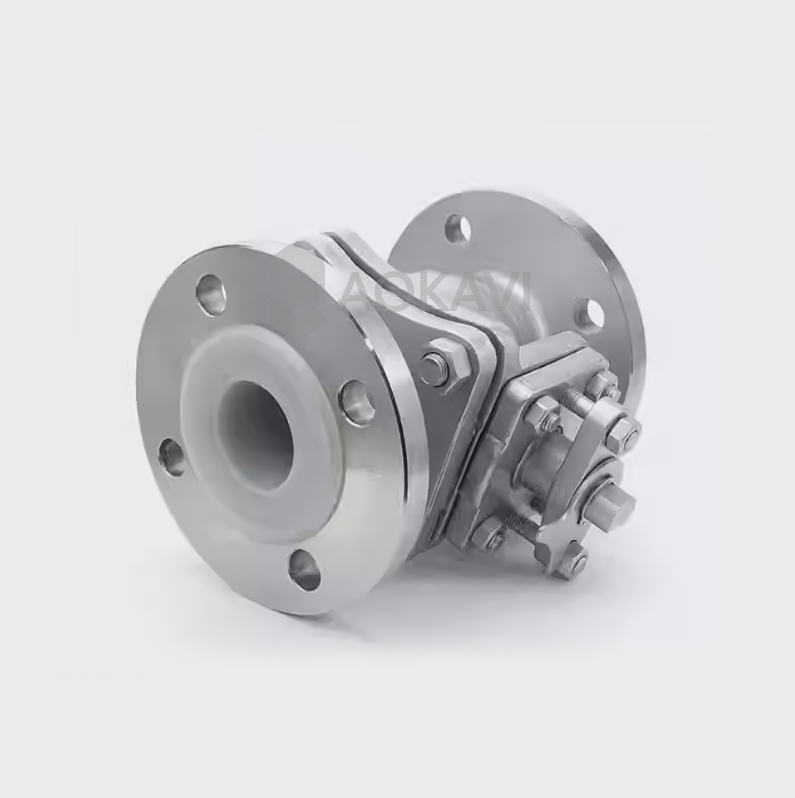
The lined ball valve is a cost-effective solution for strong corrosion resistance. It features a metal housing for structural strength and a fluoroplastic lining to isolate corrosive media, perfectly balancing pressure-bearing capacity with excellent chemical corrosion resistance.
Product Structure & Advantages
Composite Structure Design: A tough metal valve body (Carbon Steel/304/316) withstands pipeline pressure, lined with a complete layer of fluoroplastic (PTFE/FEP/PFA) as an isolation barrier, achieving a perfect combination of strength and corrosion resistance.
High Cost-Effectiveness: Offers significant cost advantages compared to full-fluoroplastic valves or high-grade alloy valves when handling the same corrosive media.
Zero Leakage Seal: The PTFE or other fluoroplastic seat is integrally formed with the lining, creating a precise sealing system that ensures bidirectional zero leakage.
Low Flow Resistance Design: Full bore or reduced bore design with a smooth flow path. The fluoroplastic lining effectively prevents media adhesion, resulting in low pressure drop.
Easy Operation: Quick opening and closing (only 90-degree rotation). Equipped with lever, gear operator, or pneumatic/electric actuators to meet different automation needs.
Basic Specifications
Attribute | Specification Range |
Nominal Bore (DN) | DN15 ~ DN300 (½" ~ 12") |
Pressure Rating (PN) | PN6 ~ PN16 (Higher pressures available upon request) |
Pressure Rating (Class) | Class 150 ~ Class 300 |
Connection Type | Flanged (RF, FF), Buttweld |
Operation Method | Manual (Lever, Gear Operator), Pneumatic, Electric |
Core Performance
Excellent Corrosion Resistance: The fluoroplastic lining resists almost all strong acids, alkalis, organic solvents, and mixed media.
Reliable Strength & Seal: The metal housing ensures mechanical strength and pressure resistance within the pipeline, while the fluoroplastic lining provides a durable and effective seal.
Wide Applicability: Suitable for the vast majority of corrosive conditions without severe abrasion, making it a versatile choice in chemical processes.
Anti-Stick & Cleanliness: The non-stick properties of fluoroplastics prevent media crystallization or adhesion, facilitate easy flushing, and maintain flow path cleanliness.
High-Temperature Creep Performance
PTFE Lining: Under combined long-term high temperature (>150°C) and pressure, PTFE is subject to creep, which may cause local deformation of the lining. Note the upper temperature limit (typically 180°C).
FEP Lining: Creep resistance is better than PTFE, but long-term stability at high temperatures is still limited; the upper service temperature is about 150°C.
PFA Lining: Offers the best creep resistance among the three materials, better withstands sustained stress at high temperatures, with an upper service temperature up to 180°C+. It is the preferred choice for high-temperature applications.
Important Note: The actual service temperature of a lined valve must consider both the temperature resistance of the lining material and the internal stresses generated by the different thermal expansion coefficients of the metal housing and plastic lining. Strictly follow the manufacturer's temperature-pressure curve.
Material Properties & Selection Guide
Lining Material Selection
Lining Material | Main Advantages | Service Temperature | Selection Advice |
PTFE | Strongest chemical inertness, widest temp. range, best non-stick | -196°C ~ 180°C | Use for unknown or the most aggressive media, or conditions with significant temperature fluctuations. |
FEP | High transparency (allows flow observation), fusion weldable, better permeability resistance than PTFE | -196°C ~ 150°C | Use where valve interior observation is needed or for media with strong permeability. |
PFA | Best creep resistance, temp. resistance close to PTFE, higher purity | -196°C ~ 180°C | Use for high temperatures, pressure fluctuations, or applications requiring extreme purity (e.g., semiconductors). |
Housing Material Selection
Housing Material | Main Advantages | Selection Advice |
Carbon Steel | Cost-effective, high mechanical strength | Use in non-corrosive environments (e.g., air, steam) or where the valve has external anti-corrosion coating. |
304 Stainless Steel | Good general corrosion resistance | Use for mildly corrosive environments or where hygiene is a consideration (e.g., food, pharmaceutical peripheral equipment). |
316 Stainless Steel | Stronger corrosion resistance, especially pitting resistance | Use for coastal areas, environments with chlorides, or more corrosive conditions; the most common choice. |
Application Scenarios
Chemical Industry: Transfer, shut-off, and control of corrosive media like acids, alkalis, and salts.
Pharmaceutical Industry: Corrosive stages in process water, intermediates, and cleaning processes.
Metallurgical Industry: Media control in plating solutions, pickling solutions, and flue gas desulfurization (FGD) systems.
Environmental Water Treatment: Handling and dosing systems for wastewater, waste acid, and alkali solutions.
Pesticide, Dye Intermediates: Production processes involving various organic solvents and corrosive chemicals.
Material Selection Suggestions
Media Determines the Lining: First select the lining material based on the corrosiveness, concentration, and temperature of the media. For strong corrosion and high temperatures, choose PTFE or PFA; for observation or permeability resistance, choose FEP.
Environment Determines the Housing: Select the housing material based on the external environment of the valve. Choose Carbon Steel for cost priority and good environments; 304 for general environments; 316 for humid, coastal, or corrosive atmospheres.
Mind Temperature & Pressure: Always refer to the manufacturer's temperature-pressure curve to ensure the valve is safe at your operating temperature and pressure.
Contraindicated Conditions: Lined valves are not suitable for services with severe abrasion (slurries), media containing solid particles, or high vacuum conditions, as these can cause rapid lining wear or collapse.
Frequently Asked Questions (FAQ)
Q1: Can lined ball valves be used for steam media?
A: Yes, but with great caution. You must confirm the steam temperature is within the long-term tolerance range of the fluoroplastic lining (typically ≤150°C) and select a lining material suitable for high temperatures, like PFA or PTFE. Also, open the valve slowly to avoid thermal shock that could separate the lining from the body.
Q2: What are the advantages of lined ball valves compared to full plastic ball valves (e.g., PVDF)?
A: The main advantage is higher mechanical strength and pressure capacity. The metal housing of lined valves can withstand higher pipeline stress and external impact, making them more suitable for industrial large-bore, high-pressure applications. Full plastic valves may have advantages in ultra-high purity and contamination prevention.
Q3: What precautions should be taken when installing and using lined ball valves?
A: * During Installation: Tighten flange bolts diagonally and evenly. Do not over-tighten, as this can crush the lined flange face.
* During Operation: Avoid forceful opening/closing, especially for manual valves. Operate smoothly to the fully open or fully closed position.
* Contraindication: Never use the valve in a partially open position for extended periods, as this allows media to erode part of the lining at high velocity, causing damage.
Q4: How to judge if the lining is intact?
A: Regularly check the valve outlet for any media seepage (an early sign of lining damage). If the valve experiences abnormal operating torque, abnormal flow, or external leakage, stop use immediately and inspect.
Q5: Can custom lined ball valves with special sizes or pressure ratings be provided?
A: Yes. We can customize non-standard sizes, special pressure ratings (e.g., ANSI Class 300), or special structures (e.g., extended pattern) based on your requirements. Please provide detailed service condition parameters and technical requirements.